
Power Steering Reservoir Bubbling: Is It Dangerous?

Imagine you’re checking under the hood of your car, and you notice something strange: bubbles in the power steering reservoir. It might seem small, but it’s actually a warning sign you shouldn’t ignore. In this article, we’ll explain why bubbling happens, what it means, how dangerous it is, and what you should do to fix […]
Protecting Your Investment

Keeping an eye on your cars’s vital signs and maintaining them at healthy levels will increase driving performance and simultaneously help to reduce maintenance costs and untimely major repairs.
The Vital Fluids in Your Car
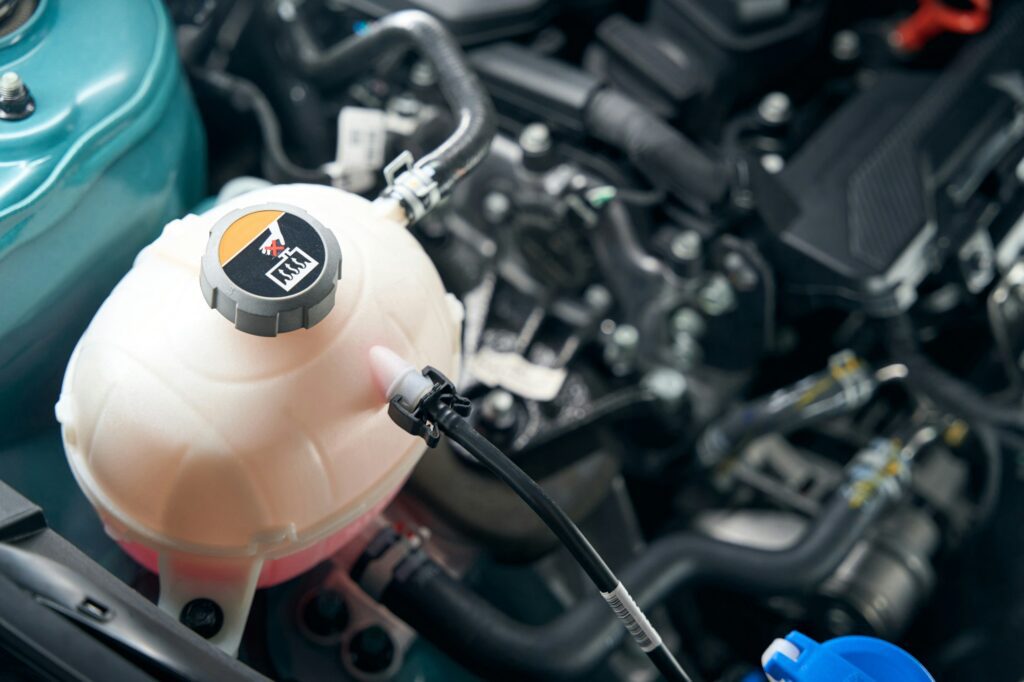
• Engine Oil: This is the lifeblood of your engine. Check your oil dipstick regularly (Remember to clean the dipstick with a rag when you first remove it and then to reinsert it and withdraw it again to get a true read on your oil level). If you continually need to add oil, consult your technician immediately. Other trouble signs may include the oil having a “foamy” appearance or a strong gasoline odor. Check your owner’s manual for the location of the oil dipstick.
The Power Source – Your Battery
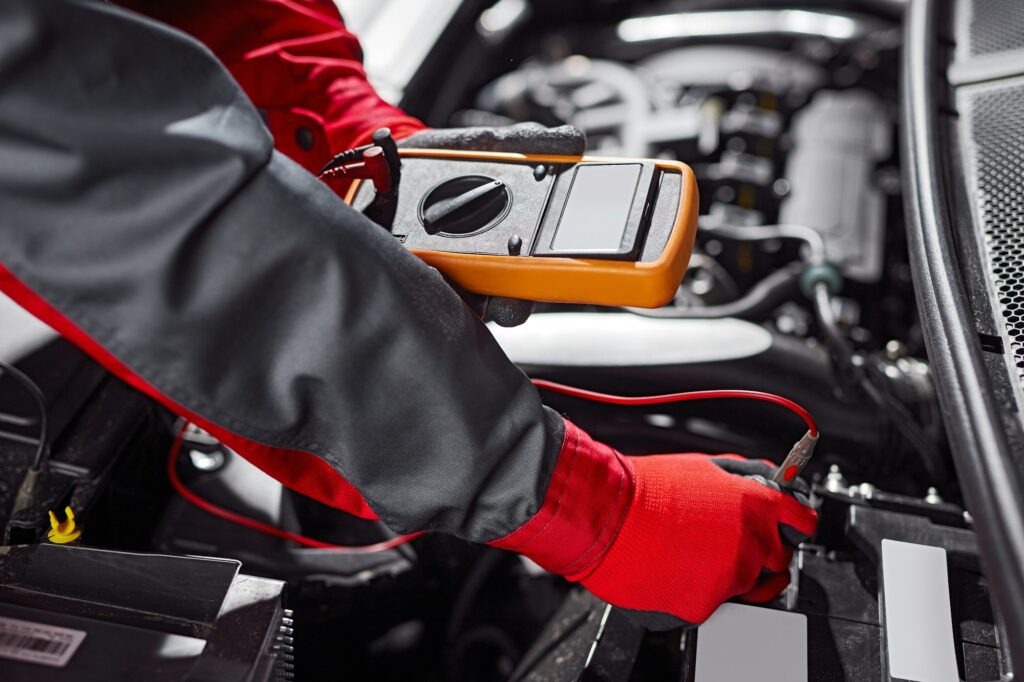
If your car’s battery permits you to check its water level, you should check it frequently. If your car, however, contains a more modern “maintenance-free” battery that doesn’t require water level surveillance, you can still maximize battery power by keeping the top of the battery clean and corrosion-free and by keeping the battery terminal connections tight.
Running Smooth – Your Tires and Alignment
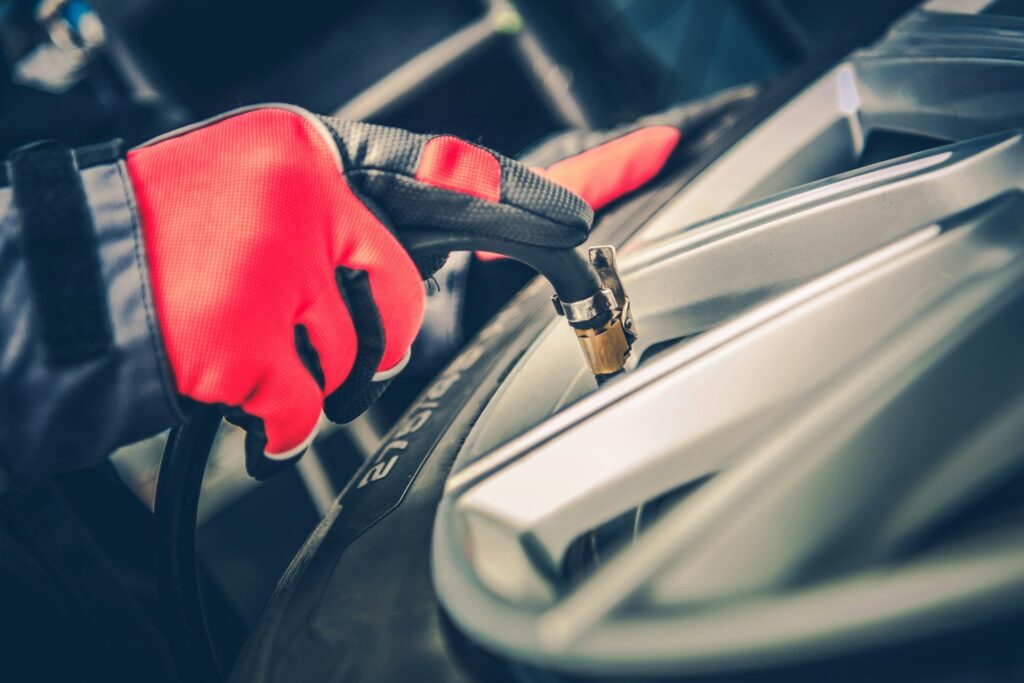
Make sure your car is equipped with a handy tire gauge so you can check each tire’s pressure frequently and especially in colder weather. To keep the tires wearing evenly, make sure each tire maintains proper inflation.
Operating at Peak Efficiency – Car Filters
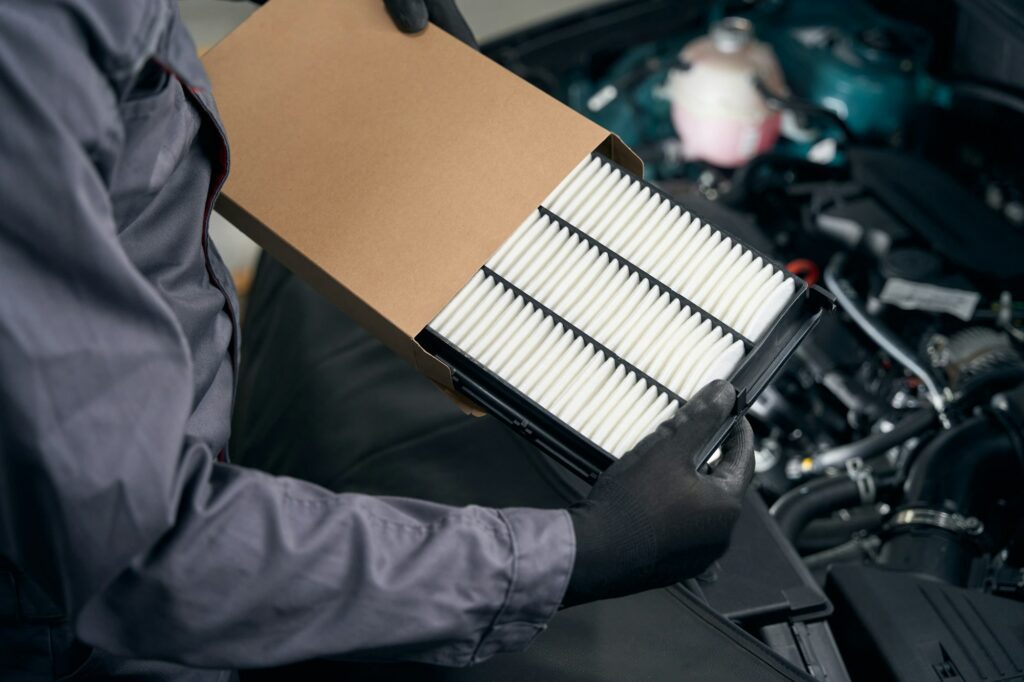
Driving through areas with heavy air pollution and dust can clog the air filter. So, your car’s air filter will require replacement on a frequent basis. The air filter cleans the air entering the engine. More modern cars (those built after 1993-94) also contain an interior air filter that will require regular replacement to optimize air circulation and protect the heating and air conditioning system.
Clear Vision – Your Wiper Blades
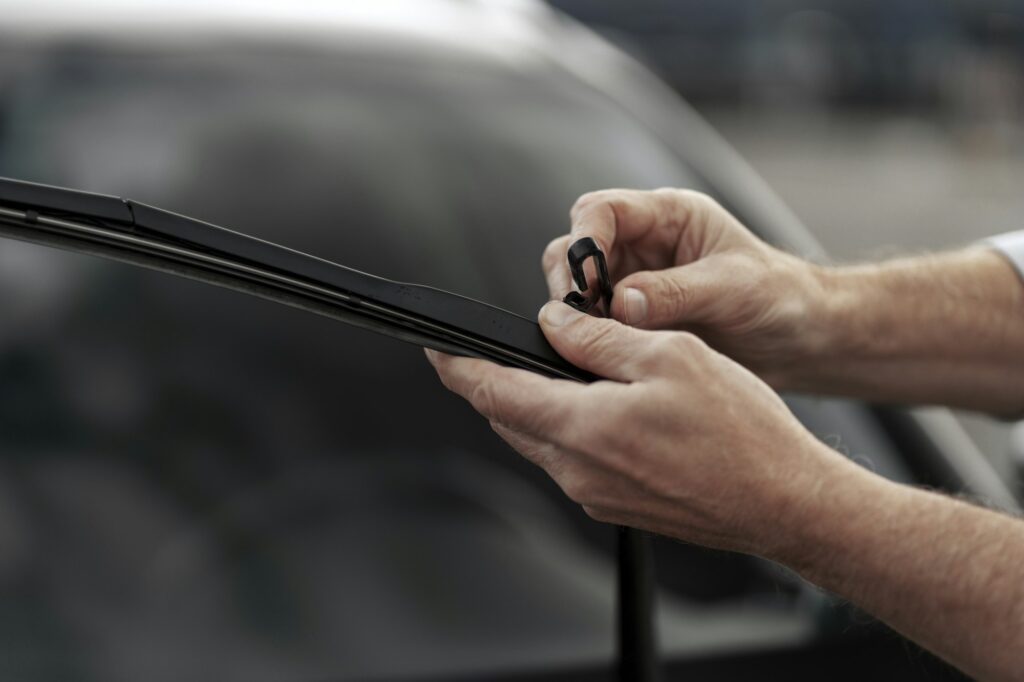
You don’t realize that you need new wiper blades – until you are in the middle of a downpour. Wiper blades streak when they get old or dirty which can impair the driver’s windshield vision. Make sure to change your windshield wiper blades every 6,000 – 10,000 miles or every 6 months and clean them each time you wash your windshield. A clean windshield can increase wiper blade life.
That Showroom Look

Your car’s finish is under constant assault by weather, tree sap, bird droppings, road salt, pollution, etc. Washing your car and keeping it clean will help protect it from these corrosives. When washing your car, avoid hard brushes and laundry or dishwashing detergents that are too harsh for your car’s finish. Instead, use soft brushes and mild car-wash soap.